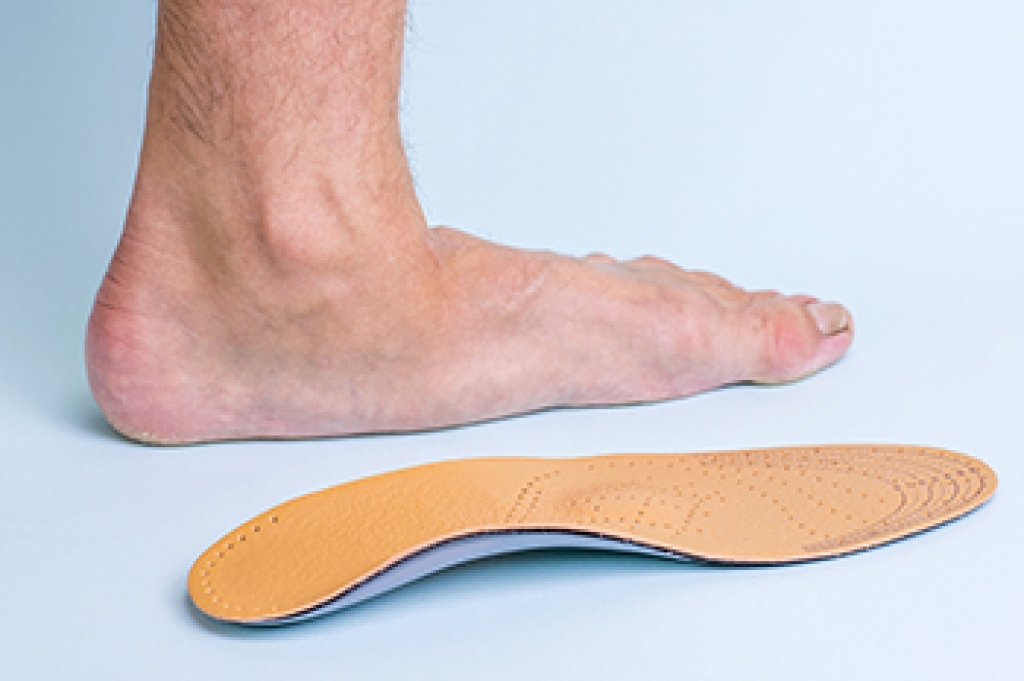
Gout is a form of inflammatory arthritis that develops when uric acid builds up in the blood and forms sharp crystals inside joints. It commonly affects the big toe, although other parts of the foot and ankle can also become painful. A gout attack may begin suddenly, causing intense discomfort that makes walking or wearing shoes difficult. The big toe joint often becomes swollen and red, with warmth and tenderness that can make even light contact uncomfortable. Although gout attacks may improve within days or weeks, repeated episodes lead to chronic arthritis and lasting joint damage without appropriate treatment.
Gout forms when the body produces too much uric acid or cannot remove enough of it through the kidneys. Uric acid develops naturally as the body breaks down purines, substances found in certain foods and produced within the body. When uric acid levels remain elevated, crystals may collect in the joints and trigger inflammation. A gout attack can occur unexpectedly, even when a person has not experienced noticeable symptoms before. Over time, repeated attacks may cause persistent swelling and stiffness. In advanced cases, firm deposits of uric acid crystals, called tophi, develop beneath the skin around affected joints.
Several risk factors increase the likelihood of developing gout. These include a family history of the condition, being overweight, and having reduced kidney function. Diet also influences uric acid levels, particularly when someone frequently consumes red meat or shellfish. Alcohol consumption and sugary drinks may further increase the risk of gout attacks. Certain medications and other health conditions also contribute to elevated uric acid levels.
A podiatrist evaluates gout symptoms by examining the affected joint, reviewing your medical history, and assessing foot movement. When needed, testing may include imaging or joint fluid analysis to help identify uric acid crystals and rule out other conditions. Treatment may involve medication prescribed to control inflammation, along with recommendations for appropriate footwear and temporary activity changes during painful attacks. Long-term management may include strategies to reduce gout flare-ups and protect joint health. If you have symptoms of gout, it is suggested that you are under the care of a podiatrist who will help you to manage this potentially debilitating condition.
Gout is a foot condition that requires certain treatment and care. If you are seeking treatment, contact Kentston Cripe, DPM from Roseville Foot & Ankle. Our doctor will treat your foot and ankle needs.
What Is Gout?
Gout is a type of arthritis caused by a buildup of uric acid in the bloodstream. It often develops in the foot, especially the big toe area, although it can manifest in other parts of the body as well. Gout can make walking and standing very painful and is especially common in diabetics and the obese.
People typically get gout because of a poor diet. Genetic predisposition is also a factor. The children of parents who have had gout frequently have a chance of developing it themselves.
Gout can easily be identified by redness and inflammation of the big toe and the surrounding areas of the foot. Other symptoms include extreme fatigue, joint pain, and running high fevers. Sometimes corticosteroid drugs can be prescribed to treat gout, but the best way to combat this disease is to get more exercise and eat a better diet.
If you have any questions, please feel free to contact our office located in Roseville, CA . We offer the newest diagnostic and treatment technologies for all your foot care needs.