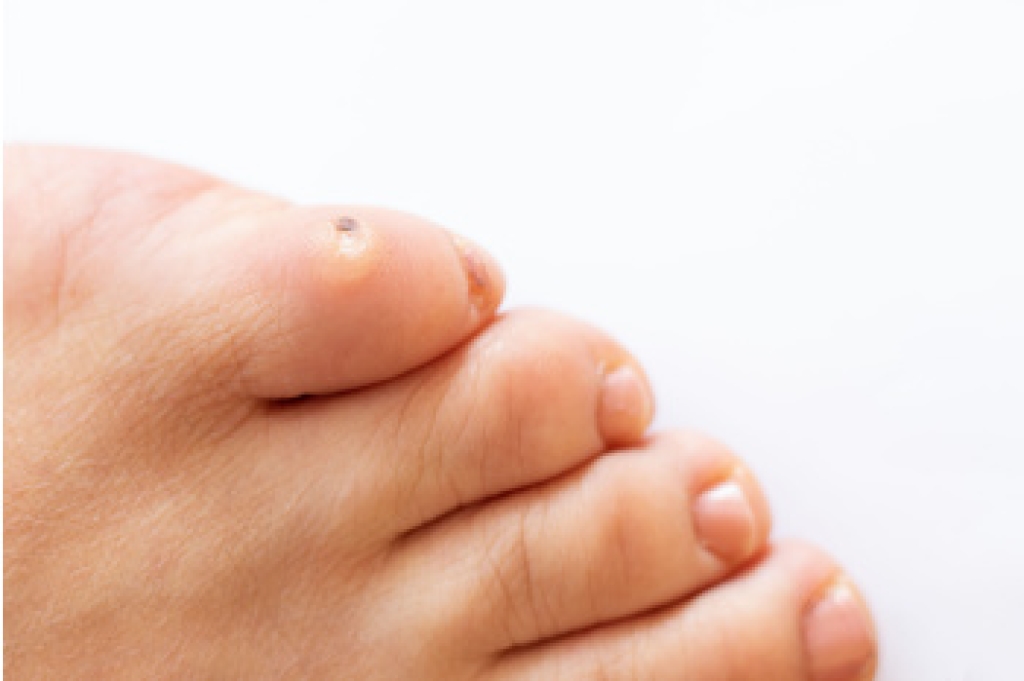
Why Is My Big Toe Numb?

Numbness in the big toe can develop when nerves that supply sensation become irritated, compressed, or damaged. Common causes include injury to the foot, nerve damage, bunions that place pressure on nearby nerves, and wearing tight-fitting shoes that restrict normal circulation and nerve function. Chronic health conditions like diabetes may also contribute to nerve-related changes that lead to numbness. Risk factors include repetitive pressure on the foot, poor footwear choices, structural foot problems, and underlying medical conditions. Symptoms may include tingling, reduced sensation, burning discomfort, or weakness in the toe area. A podiatrist can evaluate nerve health, foot structure, and footwear habits to guide treatment and relieve pressure on affected nerves. If numbness persists, it is suggested that you consult a podiatrist who can offer effective relief and treatment solutions.

Toe pain can disrupt your daily activities. If you have any concerns, contact Kentston Cripe, DPM of Roseville Foot & Ankle. Our doctor can provide the care you need to keep you pain-free and on your feet.

What Causes Toe Pain?

Most severe toe pain is caused due to a sports injury, trauma from dropping something heavy on the toe, or bumping into something rigid. Other problems can develop over time for various reasons.

Toe pain can be caused by one or more ailments. The most common include:

  • Trauma
  • Sports injury
  • Wearing shoes that are too tight
  • Arthritis
  • Gout
  • Corns and calluses
  • Hammertoe
  • Bunions
  • Blisters
  • Ingrown toenails
  • Sprains
  • Fractures (broken bones)
  • Dislocations

When to See a Podiatrist

  • Severe pain
  • Persistent pain that lasts more than a week
  • Signs of infection
  • Continued swelling
  • Pain that prevents walking

Diagnosis

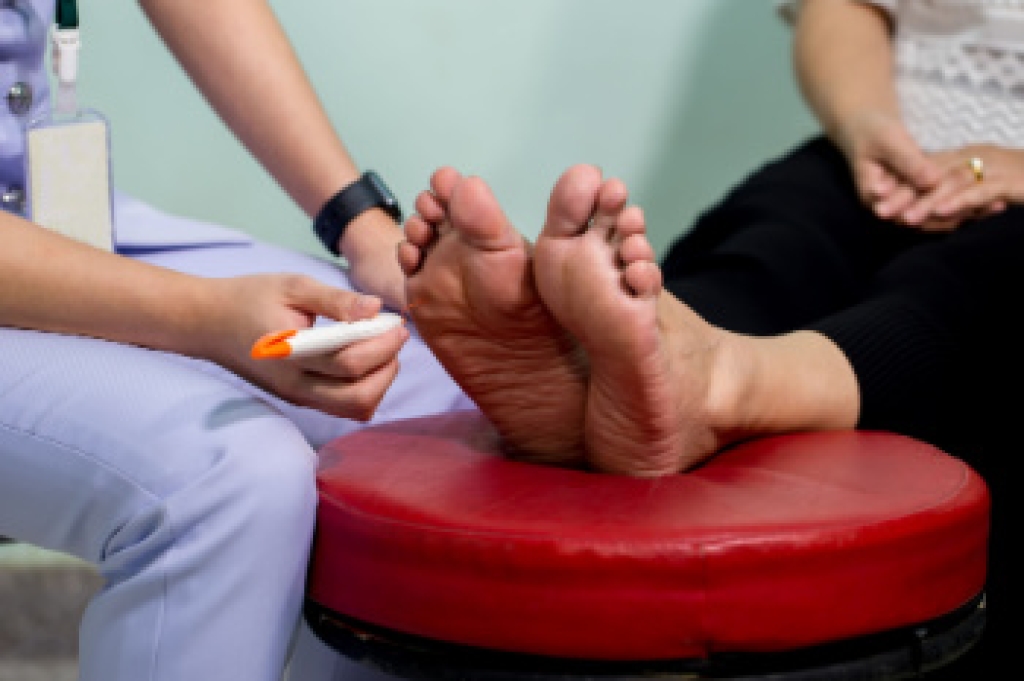
In many cases the cause of toe pain is obvious, but in others, a podiatrist may want to use more advanced methods to determine the problem. These can range from simple visual inspections and sensation tests to X-rays and MRI scans. Prior medical history, family medical history, and any recent physical traumatic events will all be taken into consideration for a proper diagnosis.

Treatment

Treatments for toe pain and injuries vary and may include shoe inserts, padding, taping, medicines, injections, and in some cases, surgery. If you believe that you have broken a toe, please see a podiatrist as soon as possible.

If you have any questions please contact our office located in Roseville, CA . We offer the newest diagnostic and treatment technologies for all your foot and ankle needs.

Read more about Toe Pain

Keep Your Feet Healthy So You Can Stay Active

Have your feet inspected by a professional before starting a new sport or physical activity. Taking charge of your foot health will keep you in good physical condition and can help you avoid a potential injury, such as a fracture or sprained ankle.

Prevent injuries and see a foot specialist.

Custom Foot Orthoses and Unilateral Plantar Fasciopathy

Unilateral plantar fasciopathy is a condition that affects one foot, causing pain and inflammation along the plantar fascia, the thick band of tissue connecting the heel to the toes. A common symptom is first-step pain in the morning or after periods of rest, along with tenderness, swelling, and discomfort during walking or standing. Custom foot orthoses can help by providing arch support, cushioning the heel, redistributing pressure, and reducing strain on the plantar fascia. A podiatrist can evaluate foot mechanics, gait patterns, and symptom severity to design personalized orthotics and recommend complementary therapies. If you have heel pain, it is suggested that you consult a podiatrist who can determine which type of custom orthotic can relieve your symptoms, and support recovery.

Our feet carry us through every part of life, absorbing the impact of thousands of steps each day. When they are not properly supported, the effects can extend far beyond the feet themselves. Custom orthotics provide the foundation the body needs by aligning, cushioning, and stabilizing each foot in its most natural position. They are carefully crafted to match the unique structure of each individual’s feet, allowing them to move efficiently and comfortably while reducing stress on the muscles, joints, and ligaments.

Proper foot support is essential for maintaining balance and preventing fatigue. Without it, the body compensates by shifting weight unevenly, which can lead to discomfort in the ankles, knees, hips, or lower back. Custom orthotics help restore this balance by redistributing pressure and promoting a more natural walking pattern. They not only ease existing pain but also protect against future strain or injury by supporting the arches and controlling excessive motion.

Unlike store-bought insoles, custom orthotics are created through detailed assessment and advanced technology to provide precise correction and comfort. They fit seamlessly into most shoes, making them ideal for daily wear, work, or sports.

If your feet feel tired, sore, or unsupported, it is recommended that you contact our office for more information, or to make an appointment.

If you have any questions please contact our office located in Roseville, CA

Read more about Sole Marketing Supporting Our Feet

A Stubbed Toe Can Actually Be a Broken Toe

A broken toe often occurs after stubbing the foot against a hard surface, dropping a heavy object on it, or during sports activity. The toe may look swollen, bruised, or slightly crooked, and the skin can become red or tender. Many patients describe sharp pain at the time of injury, followed by throbbing discomfort that worsens while walking or wearing shoes. In some cases, movement of the toe becomes limited, and pressure along the bone increases pain. While some minor fractures can heal with protection and rest, others require more careful treatment. A podiatrist will perform a detailed examination, and may order X-rays to determine the location and severity of the break. Treatment options include protective taping, a surgical shoe, or an immobilizing cast to allow proper healing. Targeted exercises may later help restore strength and flexibility. If you have a broken toe, it is suggested that you schedule an appointment with a podiatrist for appropriate treatment.

A broken toe can be very painful and lead to complications if not properly fixed. If you have any concerns about your feet, contact Kentston Cripe, DPM from Roseville Foot & Ankle. Our doctor will treat your foot and ankle needs.

What to Know About a Broken Toe

Although most people try to avoid foot trauma such as banging, stubbing, or dropping heavy objects on their feet, the unfortunate fact is that it is a common occurrence. Given the fact that toes are positioned in front of the feet, they typically sustain the brunt of such trauma. When trauma occurs to a toe, the result can be a painful break (fracture).

Symptoms of a Broken Toe

  • Throbbing pain
  • Swelling
  • Bruising on the skin and toenail
  • The inability to move the toe
  • Toe appears crooked or disfigured
  • Tingling or numbness in the toe

Generally, it is best to stay off of the injured toe with the affected foot elevated.

Severe toe fractures may be treated with a splint, cast, and in some cases, minor surgery. Due to its position and the pressure it endures with daily activity, future complications can occur if the big toe is not properly treated.

If you have any questions, please feel free to contact our office located in Roseville, CA . We offer the newest diagnostic and treatment technologies for all your foot care needs.


Read more about What to Know About a Broken Toe

Gout Can Affect the Ankles, Too

Gout is widely known for causing sudden pain in the big toe, but it can also affect the ankle joint. This inflammatory arthritis develops when excess uric acid forms sharp crystals inside the joint lining, triggering intense irritation. An ankle gout attack often begins abruptly, with redness, warmth, swelling, and extreme tenderness, sometimes so sensitive that even light contact is uncomfortable. Stiffness quickly follows, making walking and climbing stairs difficult. Symptoms typically peak within a day and may return in repeated episodes if the condition is not medically managed. Because ankle pain has many possible causes, proper evaluation is important. A podiatrist can review medical history, examine joint motion, order imaging, and perform diagnostic testing to confirm gout. Treatment focuses on reducing inflammation, protecting joint function, and preventing long-term joint damage. If you have ankle pain, it is suggested that you make an appointment with a podiatrist for an exam, diagnosis, and ongoing treatment.

Gout is a painful condition that can be treated. If you are seeking treatment, contact Kentston Cripe, DPM from Roseville Foot & Ankle. Our doctor will treat your foot and ankle needs.

What Is Gout?

Gout is a form of arthritis that is characterized by sudden, severe attacks of pain, redness, and tenderness in the joints. The condition usually affects the joint at the base of the big toe. A gout attack can occur at any random time, such as the middle of the night while you are asleep.

Symptoms

  • Intense Joint Pain - Usually around the large joint of your big toe, and it most severe within the first four to twelve hours
  • Lingering Discomfort - Joint discomfort may last from a few days to a few weeks
  • Inflammation and Redness -Affected joints may become swollen, tender, warm and red
  • Limited Range of Motion - May experience a decrease in joint mobility

Risk Factors

  • Genetics - If family members have gout, you’re more likely to have it
  • Medications - Diuretic medications can raise uric acid levels
  • Gender/Age - Gout is more common in men until the age of 60. It is believed that estrogen protects women until that point
  • Diet - Eating red meat and shellfish increases your risk
  • Alcohol - Having more than two alcoholic drinks per day increases your risk
  • Obesity - Obese people are at a higher risk for gout

Prior to visiting your podiatrist to receive treatment for gout, there are a few things you should do beforehand. If you have gout you should write down your symptoms--including when they started and how often you experience them, important medical information you may have, and any questions you may have. Writing down these three things will help your podiatrist in assessing your specific situation so that he or she may provide the best route of treatment for you.

If you have any questions, please feel free to contact our office located in Roseville, CA . We offer the newest diagnostic and treatment technologies for all your foot care needs.
Read more about Gout

Connect With Us

scroll to top